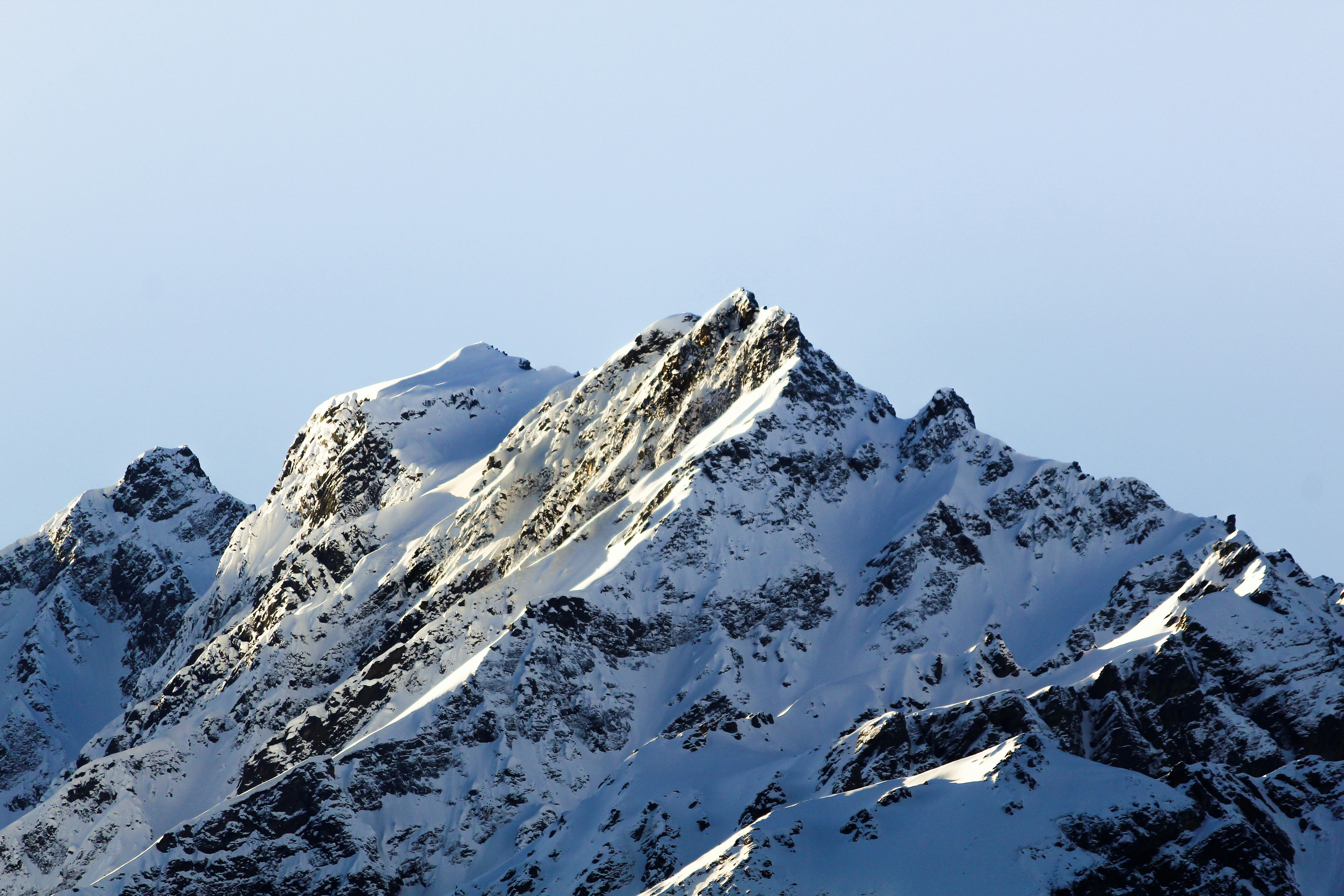
The Introduction: Dev Bhoomi (Land of Gods)

"Where Faith Meets the Himalayas — A Journey of Peace, Nature & Spirituality"


Cradled in the majestic embrace of the western Himalayas, Himachal Pradesh is famously known as “Dev Bhoomi”—a sacred land believed to be blessed by divine presence. The name itself reflects centuries of faith, mythologies, and countless spiritual journeys that have shaped the cultural identity of this mesmerizing region.
Here, spirituality isn’t just found in temples or rituals—it is woven into the forests, mountains, rivers, and the very rhythm of life. From the revered Jyotirlinga shrines and Shakti Peeths of Kangra Valley to the peaceful silence of centuries-old Buddhist monasteries in Spiti and Lahaul, Himachal Pradesh embraces multiple faiths with grace and harmony.
As you travel across this enchanting landscape, you’ll encounter:
✨ Timeless temples carved in wood and stone, echoing ancient craftsmanship
✨ Buddhist stupas and Gompas radiating calm, simplicity, and universal peace
✨ Pilgrimage trails and trekking paths leading to sacred lakes, shrines, and snow-clad peaks
✨ Local legends and folktales that bring the mountains alive with stories of gods and guardians
In Himachal Pradesh, every valley carries a spiritual story, every village touches history, and every mountain feels alive with divine energy.
Whether you are searching for inner peace, seeking blessings, or simply wishing to experience nature in its purest form—this is where your journey begins.

Sunrise or sunset over the snow-covered Himalayas A scenic shot of lush green valleys with mist rolling over mountains The Beas or Sutlej River flowing between mountains (symbolic of purity)
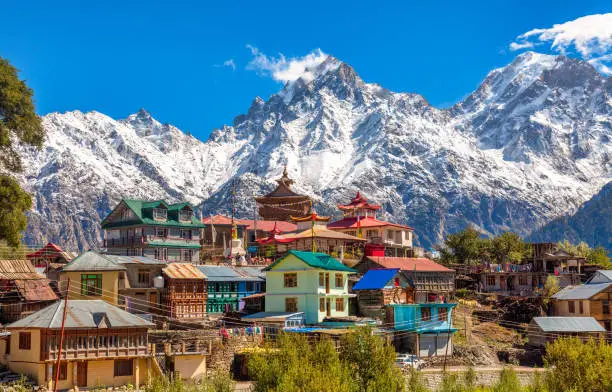
Colorful prayer flags fluttering on a mountain pass Key Monastery (Spiti Valley) on a hilltop Golden statue of Buddha inside a monastery Monks walking peacefully, prayer wheels in background
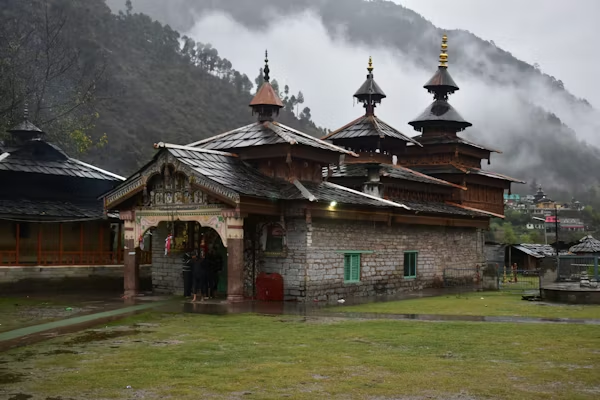
Hidimba Devi Temple, Manali – iconic wooden Himalayan architecture Jwala Ji Temple – eternal sacred flame Traditional stone and wood temples of Chamba/Kangra
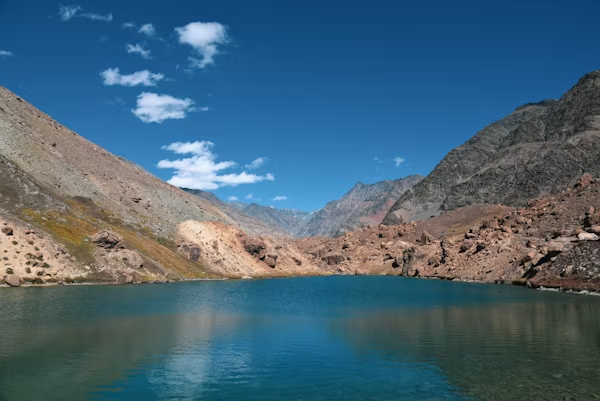
Frozen lake like Chandratal or Prashar Lake with the temple nearby A shot of a trekking trail leading to a sacred shrine A night photo of mountains with a temple lamp glowing

Quick Facts

🛕 Famous Temples
Jwala Ji, Hidimba Devi, Key Monastery
🏔 Major Regions
Shimla, Kullu, Kangra, Spiti, Chamba
🌄 Highest Peak
Reo Purgyil (6,816 m)
🧭 Best Time to Visit
March–June / Sept–Nov
🗣 Languages
Hindi, Pahari

🌄 Why Visit Himachal Pradesh?

⛰️
Breathtaking Himalayan Landscapes

From snow-capped peaks to lush valleys, every view feels like a postcard.

🛕
Spiritual Temples & Monasteries

Home to ancient shrines, sacred lakes, and peaceful monasteries radiating divine calm.

🎭
Rich Culture & Festivals

Traditional folk music, tribal heritage, and colorful festivals bring the mountains alive.

❄️
Adventure Sports & Trekking

Perfect playground for paragliding, skiing, camping, river rafting & high-altitude treks.

🌿
Pure Air & Peaceful Lifestyle

Slow living, fresh mountain air, and serenity make it perfect for relaxation and healing.

📍 Where is Himachal Pradesh?

📜 Heritage Timeline of Himachal Pradesh

🏛 Ancient Era (Pre-500 CE)

Sacred temples built with intricate wood and stone carvings. Mythology connects this land with the Pandavas and Goddess Hidimba. Scriptures describe the region as the abode of gods.

🧿 Medieval Era (500-1500 CE)

Buddhism flourished in Spiti and Lahaul. Monasteries protected rare scriptures and paintings. The Silk Route connected Himachal to Tibet and Central Asia.

🏡 Colonial Era (1800s-1947)

The British developed hill stations like Shimla, Dalhousie, and Kasauli. Architecture blended European design with local craft. Railways carved pathways through mountains.

🌎 Modern Era (1947-Present)

Himachal became a tourism and adventure hub. Paragliding, trekking, spiritual retreats, and eco-tourism flourished. Known as India’s cleanest and most sustainable mountain state.

🎭 Culture & Traditions of Himachal Pradesh

🎶 Music & Arts

Folk songs echo through valleys telling tales of love and devotion. Instruments like Karnal, Ranasingha, and flutes accompany festivals and rituals.

👗 Traditional Dress

Women: Pattoo shawls, ghagra, and embroidered caps. Men: Chola, pyjama, and iconic Himachali topi with colorful patterns.

💃 Folk Dances

Nati (UNESCO recognized), Kinnauri dance, Dulshol and Thoda reflect community bonds, harvest joy, and warrior spirit.

🍲 Local Cuisine

Famous dishes include Siddu, Dham, Momos, Aktori, Patande and Chha Gosht — a flavorful blend of Tibetan and local recipes.

✨ The Spirit of Himachal Pradesh ✨

"Himachal isn't a place — it's a feeling, a breath of peace, where the mountains whisper prayers and clouds embrace your soul."


"Where pine forests sing lullabies and rivers narrate ancient tales — this is the land where heaven touches earth."

💬 Voices From the Mountains

"When I reached the mountains, I didn't just travel — I healed. Every breath in Himachal felt like medicine."


— Priya Sharma, Mumbai

"The moment I saw the sunrise behind snowy peaks, I understood why they call it Dev Bhoomi."


— Arjun Malhotra, Delhi

"I came for adventure but stayed for the silence. These mountains change you forever."


— Sarah Johnson, UK

"Himachal doesn't just show beauty — it reminds you that you belong to nature."


— Rohan Desai, Bangalore

"Standing in Rohtang surrounded by white peaks and blue sky, I felt small... but so alive."


— Neha Kapoor, Chandigarh
🔝